Teen Sleep Deprivation
Teen sleep deprivation is fostered by today's culture and by the many demands for their time. Whether it is a late night studying for a test, working a part-time job or attending a school function, teens don't have the luxury of sleeping in on school mornings, leaving them with a sleep deficit.

Sleep deprivation in teens goes beyond heavy eyes and heads on the desks during class. Grades drop, relationships are strained and the ability to handle stress decreases. Emotional and cognitive difficulties arise. Could 9 hours of sleep a night be helpful in resolving these issues?

A common belief persists that as we age we need less sleep from infants to toddlers, children, teens and into adulthood. However studies are now showing that teens often need more sleep than kids and more sleep than adults.
It can be challenging for a teen to get adequate sleep due to to busy schedules involving school, sports, jobs, friends and other extra-curricular activities. Poor time management is the result of hours spent on electronic devices - such as texting on cell phones, playing video games, watching movies on demand, or surfing the web.
Dangers of Teen Sleep Deprivation
- Increased car accidents
- Drop in school performance
- Poor concentration
- Disciplinary problems
- Depression
- Attention Deficit Hyperactive Disorder (ADHD)
- Struggles with memorization
- Cranky and irritable

Although some of the factors, such as irritability may be normal to the teenage years, however the other concerns involve more serious issues. A lack of sleep greatly affects concentration and memorization. The ability to learn and retain information are closely connected to quality sleep and obviously good study habits.
Here is a video that is from the Division of Sleep Medicine at Harvard Medical School discussing memory/learning and the importance of sleep.
Video - Sleep Deprivation and Memory by Dr. Robert Stickgold
Teen sleep deprivation and puberty go together as the sleeping patterns alter. Adolescents will not fall asleep as early and the body desires to go to sleep later, resulting in the need to sleep in later. As this is due to psychosocial factors with social activities, sports, jobs and technology, there is also a biological factor that plays a role in the sleep pattern adjustment.
The difficulty arises with early waking hours for school. Fortunately some schools are recognizing the studies and have pushed the school start time to later. However enacting later times are not always easy with several other factors including bus schedules and costs.
Remember parents, the next time you teen wants to sleep in on the weekends, this may not be because of laziness but out of necessity and the body needing more sleep.
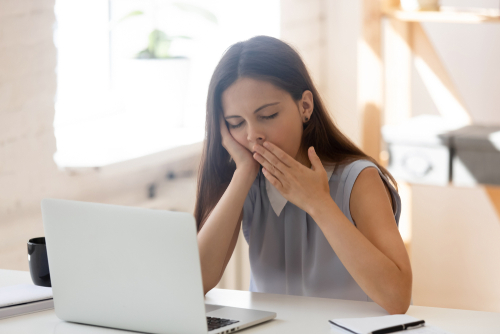
Sleep expert, Dr. Michael Breus explains, "Short on sleep teens are at risk for a wide range of intellectual, social, emotional and behavioral problems. " Find out what insufficient sleep in teens is linked to ...."
How to Avoid Teen Sleep Deprivation
Whether you are a concerned adult or a teen reading this information, there is something to be done to help with this issue. It will require discipline and commitment and the key is consistency. One good night's sleep or two attempts will not solve the problem. Certain habits need to be instilled and practiced on a regular basis to see improvements.
- Practice good sleep hygiene
- Don't watch TV while trying to go to sleep
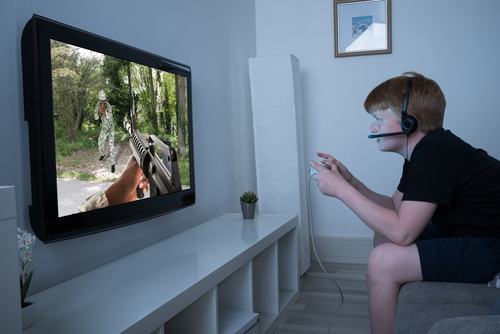
- Don't play video games close to bedtime
- Stop caffeine consumption after lunch
- Avoid homework right before bed
- Time management
- Use a Sleep Log
Overall try to develop somewhat of a downtime routine. An hour or so before bedtime avoid stimulation from TV, video games, internet and even homework. These tasks activate the brain and can make it difficult to settle down for bed. Create a schedule and stick to it. There will be nights that these guidelines will not be followed and that is life. The goal is not to score a perfect 10 but to consider what factors inhibit getting 9 hours of sleep or whatever amount is needed for the individual.
There may not seem to be enough time in the day to get enough sleep. After reflecting on time spent, time wasted, there is always room for improvement to become more efficient and aware of time management.
Teen sleep deprivation is a serious cause of concern. Do not neglect the early warning signs and start talking to your teen about healthy sleep habits.
Go from Teen Sleep Deprivation to Effects of Sleep Deprivation


Get practical advice on how to fall asleep, stay asleep and to get deep sleep. It's free so sign up here:







Ancient Minerals Goodnight Magnesium Lotion
Please note that while I do receive commissions from some of the things promoted on this site, I recommend them because I feel they would be of benefit to you.
Advertisers/Affiliates have been hand-picked so that only quality products are recommended. I have used them in my own life and share them with you because that's what friends do.