List of Sleep Disorders
The list of sleep disorders recognized by the medical community is over 70. In America it is reported that about 40 million people suffer from a chronic sleep disorder, while around 20 million more suffer from occasional sleep difficulties.
This list is divided into three categories
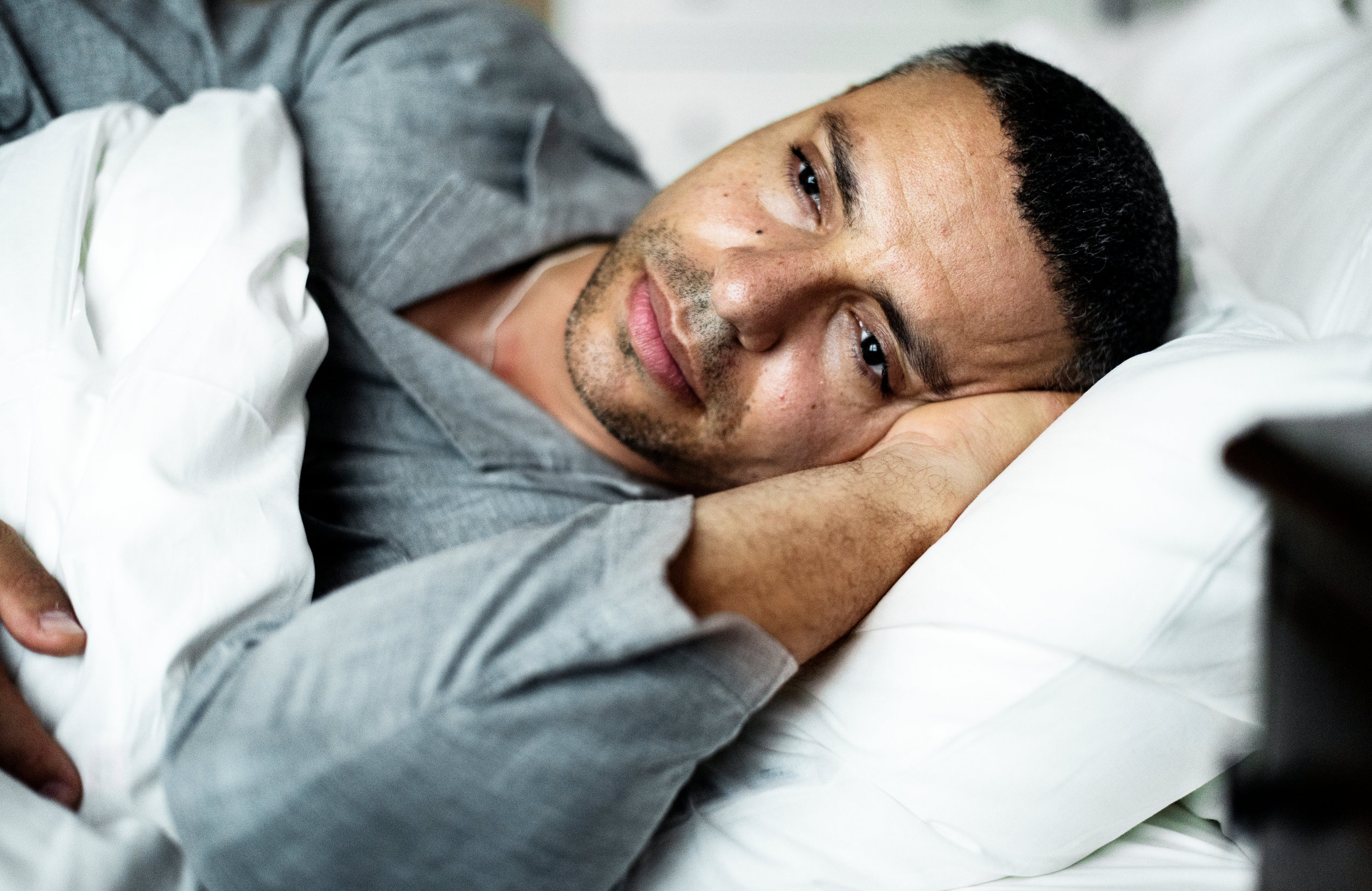
1. Disturbed Sleep (insomnia)
2. Excessive Sleep (hypersomnia)
3. Lack of Sleep (sleep deprivation)
Fortunately once a sleep disorder is diagnosed, there are treatment options. However, often times people are unaware of their sleep disorder until a spouse or an other person observes their sleep.
Sleep disorders vary with causes, symptoms and frequency. Variances are in how long it takes to fall asleep, the quality of one's sleep, and how long one sleeps.
Sleep Disorders List
Here is a Sleep Disorder List covering the most common disorders with a basic explanation:
Insomnia: Difficulty falling asleep and staying asleep. It can be
a temporary sleep condition or develop into a more chronic long term
sleep disorder. What are the signs of insomnia? Find out here:
Signs of Insomnia
Hypersomnia: The opposite of insomnia. A person sleeps
longer and for more hours than what is normal - during the night or the
day. It is difficult for them to wake up. The need to take naps is
compelling, but provides no relief. Find out more about primary
hypersomnia here:
Primary Hypersomnia
Children Bedwetting: Another name is nocturnal enuresis which is bed-wetting while sleeping. Children Bedwetting
Bruxism: Clenching and grinding the teeth while sleeping.
This condition is common in children but occurs in adults as well. Find
out what causes this sleep disorder and ways of treating it here:
What is Bruxism?
Obstructive Sleep Apnea: Airway obstruction while sleeping, which limits deep sleep; snoring usually accompanies it. What is Sleep Apnea?
Delayed Sleep Phase Syndrome (DSPS): Fall asleep and waken at unusual times, but able to maintain sleep (circadian rhythms disorder)
Advanced Sleep Phase Syndrome (ASPS): Another circadian rhythms disorder where person goes to sleep early and rises early
Non-24-Hour Sleep-Wake Syndrome: Circadian rhythm disorder where the body does not function with the 24 hour biological clock
Hypopnea Syndrome: A slow respiratory rate or shallow breathing while sleeping
Narcolepsy: Unwilling and spontaneous falling asleep with excessive daytime sleepiness
What is Narcolepsy?
Nocturia: A reoccuring need to go to the bathroom and urinate at night
Cataplexy: Abrupt weakness with one's motor muscles
Night Terror: Not nightmares but rather a sudden awakening with
gasping, moaning, or crying out. There is no recall of the episode in
the morning. It is not uncommon in young children, but adults can
experience it as well.
Night Terrors in Children
Parasomnias: Arousal disorder with abnormal behaviors and thoughts such as sleep walking
Restless Leg Syndrome (RLS): Associated with Periodic Limb Movement with an irressistable need to move the legs
Periodic Limb Movement Disorder (PLMD) / Nocturnal Mycolonus: The involuntary movement of legs and/or arms while sleeping
Rapid Eye Movement Behavior Disorder (RBD): Movements in REM sleep from twitches to acting out dreams
Situational Circadian Rhythm Sleep Disorders: Jet lag and shift work sleep disorders (SWSD)
Sleep Paralysis: A temporal paralysis of the body right before or
after sleep. Often associated with auditory, visual, or tactile
hallucinations. Sometimes classified as a part of narcolypsey
Sleep Walking / Somnambulism: Doing actions typical with being awake such as walking around, eating or dressing, without conscious knowledge or awareness.
Snoring: It is a symptom of a problem and not an actual disorder
Sleeping Sickness: Parasite disease transmitted by the Tsetse fly
Sleep Talking / Somniloquy: Talking while sleeping
Sudden Infant Death Syndrome (SIDS): The sudden death of an infant under the age of one. It usually occurs in the crib while the baby is sleeping.
A more extensive list of sleep disorders and indepth information can be found at the Sleep Foundation Organization website:
https://www.sleepfoundation.org/sleep-disorders
Sleep Disorder Doctor
How do you know if you should seek out the expertise of a sleep disorder doctor? Many people who have sleep problems initially bring it up to their primary care physician (PCP). The knowledge, training and education of the PCP on sleep disorders is of course varied.
While this may be a good place to start, if the problem persists it is best to seek out a specialist. But what kind of specialist - a neurologist, a pulmonologist or a behavioral medicine doctor?
Find out your options here:
What Is A Sleep Study?
Many times at work (I am a registered nurse) we get calls from patients asking to make an appointment for a sleep study. So of course we ask some more questions about what is prompting the request and then go on to explain a few things about the process.

First an appointment with a sleep specialist takes place. And then depending on what the doctor finds out about your sleep during the consult, he/she may or may not order a sleep study. "A sleep study isn't always the first line of treatment for someone with insomnia," says Maha Ahmad, M.D.. an associate director at the Sleep Disorders Institute in New York City. "First we want to look at your sleeping habits, then start you on a behavioral program." Keeping a sleep log for a couple of weeks, noting times when one falls asleep and wakes up is often the first step.


Get practical advice on how to fall asleep, stay asleep and to get deep sleep. It's free so sign up here:







Ancient Minerals Goodnight Magnesium Lotion
Please note that while I do receive commissions from some of the things promoted on this site, I recommend them because I feel they would be of benefit to you.
Advertisers/Affiliates have been hand-picked so that only quality products are recommended. I have used them in my own life and share them with you because that's what friends do.